The Use of Digital Marketing
Introduction
In today’s fast-paced and technology-driven world, businesses cannot survive without strong online visibility. The rise of smartphones, social media, and the internet has completely changed the way people discover brands, make buying decisions, and interact with businesses. This shift has given birth to one of the most powerful tools in the business world — Digital Marketing.
Digital marketing is not just a marketing method; it is a complete ecosystem that helps brands reach the right people, at the right time, with the right message. Whether you are a small business owner, a startup founder, or a global brand, digital marketing opens doors to unlimited opportunities for growth, branding, and customer engagement.
This blog explores the professional uses of digital marketing, why it is essential in 2025 and beyond, and how businesses can leverage it for long-term success and the Use of Digital Marketing.
1. What Is Digital Marketing?
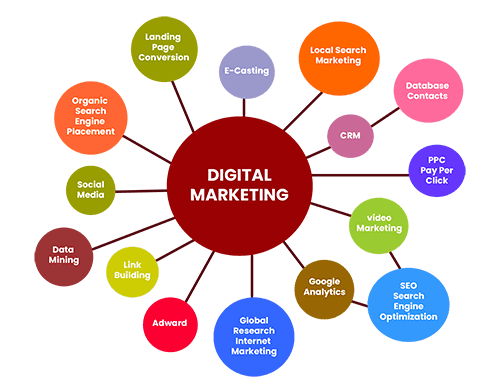
Digital marketing refers to all marketing efforts done using the internet and electronic devices. It includes activities such as:
Social media marketing
Search engine optimization (SEO)
Content marketing
Email marketing
Paid advertising (Google Ads, Meta Ads, YouTube Ads)
Influencer marketing
Website optimization
Online branding
Unlike traditional marketing (posters, flyers, TV ads), digital marketing provides measurable results, global reach, and faster impact.
2. Why Digital Marketing Is Important Today
a) Customers Are Online
More than 5 billion people use the internet. From researching products to reading reviews and purchasing online — everything starts digitally. If your brand is not online, you are invisible to your audience.
b) Cost-Effective Compared to Traditional Marketing
Traditional advertising like TV, radio, or newspaper ads costs thousands. Digital marketing allows you to reach your audience with a much smaller budget — perfect for small businesses and startups.
c) Highly Measurable
With tools like Google Analytics, Facebook Business Manager, and CRM dashboards, businesses can see:
Who visited their website
How users behaved
Which ads performed best
How many leads were generated
Exact ROI
Every action can be tracked in real time.
d) Builds Strong Customer Relationships
Digital channels help businesses stay in touch with their customers through:
Social media engagement
Email newsletters
Chatbots
Personalized offers
This builds trust and long-term loyalty.
e) Helps You Reach Global Customers
Even small businesses can now sell products internationally using digital platforms. You can target customers based on:
Age
Gender
Interests
Location
Browser behavior
Buying intent
This level of targeting is impossible in traditional marketing.
3. Major Uses of Digital Marketing in Business
1. Brand Awareness
Digital marketing is the fastest way to make people aware of your brand. Through:
Social media campaigns
YouTube videos
Influencer collaborations
SEO
Blog content
Businesses can reach millions of people and build strong brand recognition.
2. Lead Generation
Lead generation is one of the biggest uses of digital marketing.
Using:
Google Ads
Facebook leads
Landing pages
Email funnels
WhatsApp automation
Businesses can capture potential customers who are actually interested in the product.
3. Increasing Website Traffic
SEO, content marketing, and social media drive traffic to websites. More visitors mean:
More leads
More brand exposure
More conversions
4. Sales and Conversions
Digital marketing tools allow you to boost sales through:
Remarketing ads
Conversion-optimized landing pages
E-commerce product pages
Chat support
Every click can become a sale if targeted correctly.
5. Customer Retention
It’s easier to keep existing customers than find new ones. Digital marketing helps with:
Email marketing
Loyalty programs
Personalized offers
Retargeting campaigns
This increases repeat sales and customer lifetime value.
6. Understanding Customer Behavior
Analytics shows you:
What customers like
What they ignore
What they search for
When they buy
Why they abandon carts
Businesses can then improve their products, services, and offerings.
7. Building a Brand Image
Digital marketing helps shape how customers perceive your business.
Through:
Professional website
Social media posts
Brand storytelling
Online reviews
Positive customer interactions
You can create a strong and trustworthy image.
4. Key Components of Digital Marketing
1. Search Engine Optimization (SEO)
SEO helps your website rank higher on Google.
Benefits of SEO:
Free organic traffic
Long-term results
Better visibility
Trust-building
SEO is essential for content-driven growth.
2. Social Media Marketing (SMM)
Platforms like Instagram, Facebook, YouTube, and LinkedIn help businesses:
Build a community
Promote products
Engage with the audience
Increase brand loyalty
3. Content Marketing
Content includes blogs, videos, infographics, eBooks, etc.
Its goal is to:
Educate customers
Build authority
Improve SEO
Drive conversions
Businesses that post valuable content grow faster.
4. Paid Advertising (PPC)
Platforms like Google Ads, Meta Ads, and TikTok Ads help you reach customers instantly. PPC helps with:
Immediate traffic
Sales boost
Lead Generation
Retargeting
It’s one of the most powerful tools for scaling a business.
5. Email & Automation Marketing
Email marketing is still one of the highest ROI channels.
It helps with:
Follow-ups
Offers
Newsletters
Customer retention
Automation tools send messages at the right time to the right people — without manual effort.
6. Influencer Marketing
Influencers help brands gain:
Trust
Quick exposure
Niche audience reach
Works best for fashion, beauty, fitness, and lifestyle brands.
7. Affiliate Marketing
You pay commissions to affiliates only when someone makes a purchase.
This reduces risk and increases sales.
5. How Digital Marketing Helps Different Industries
E-commerce
Boosts product sales
Drives targeted traffic
Reduces abandoned carts
Increases repeat customers
Real Estate
Generates quality leads
Showcases properties via video/virtual tours
Education
Increases admissions
Promotes courses
Reaches students globally
Healthcare
Builds trust
Shares patient awareness information
Local Businesses
Helps customers find nearby stores
Boosts foot traffic
Digital marketing works for every industry because every customer is online.
6. The Future of Digital Marketing
Digital marketing will evolve with:
AI automation
Voice search
Personalization
Data-driven marketing
Short video content
AR/VR experiences
Smart chatbots
Businesses that adopt these early will stay ahead of competition.
Conclusion
Digital marketing is no longer optional — it is essential for business growth. It helps brands reach the right audience, build trust, generate leads, and drive sales. With powerful tools and strategies, businesses can measure every result and optimize their performance for long-term success.
Whether you are a startup, small business, or large enterprise, digital marketing provides endless opportunities. It is the backbone of modern branding and customer engagement.